


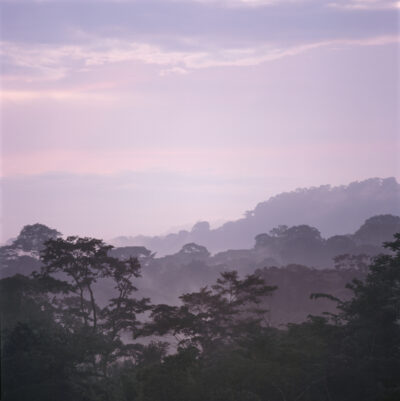
No matter where in the world we live, we all depend on the world’s forests. Forests support an estimated 80% of terrestrial biodiversity while regulating the climate through carbon capture and storage, as well as providing food, shelter, and mental health benefits for people. Protecting forests is essential to sustaining life on Earth.
WildAid works closely with local communities to safeguard some of our planet’s most vital forest regions, including the Congo Basin in Central Africa, Sao La and Phong Dien Nature Reserves in Huế, Vietnam, and the vast mangrove forests of coastal Ecuador. By providing tools, training, and long-term support, we’re helping strengthen law enforcement, reduce illegal exploitation, and ensure the people who call these forests home lead their protection.
The Congo Basin
The world’s second-largest rainforest spans six countries: Cameroon, the Central African Republic, the Democratic Republic of Congo, the Republic of Congo, Equatorial Guinea and Gabon. This vast network of ecosystems is known as the Congo Basin.
Often referred to as the “lungs of Africa,” the Congo Basin plays a critical role in regulating the global climate by reducing atmospheric carbon dioxide, which contributes to the warming of the planet. According to a study published by Nature Research, the forest absorbs 370 million metric tons of carbon emissions every year, which is more than the Amazon rainforest.
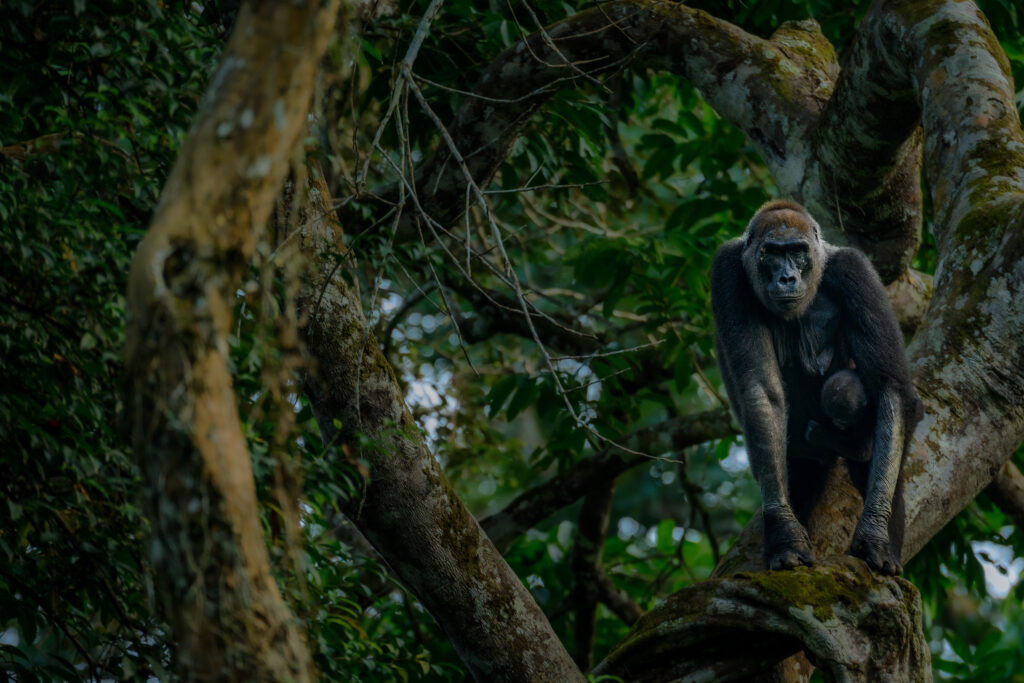
As global demand for natural resources increases and the climate crisis intensifies, protecting the Congo Basin has never been more urgent. The forests and wetlands of the Congo Basin are home to an incredibly diverse range of plants and wildlife, many of which have yet to be discovered or studied by scientists. Endangered wildlife, including forest elephants, chimpanzees, bonobos, and lowland and mountain gorillas, inhabit these dense forests. About 400 other species of mammals, 1,000 species of birds, and 700 species of fish can also be found here, with many of these wild animals existing nowhere else on Earth.
Within the Congo Basin, Gabon stands out as one of the most densely forested countries with nearly 90% of its land mass covered by trees. The country is carbon positive, which means its forests absorb more carbon dioxide than the nation emits. Called “Earth’s last Eden” for its incredible biodiversity, Gabon’s forests sustain roughly two-thirds of Africa’s remaining forest elephants, as well as gorillas, hippos, chimpanzees, pangolins and other endangered species.
“Forests are very, very important to us, because they are a part of us. If we live, it is thanks to these forests,” says Vincent Medjibe who collects carbon data for Gabon’s National Parks Agency.
Despite how valuable Gabon’s ecosystem is to people, the climate, and endangered species, deforestation and poaching remain serious threats.
WildAid works with local partners to combat illegal logging and wildlife exploitation across Gabon’s forests. With support from the U.S. Embassy in Libreville, WildAid has launched a campaign highlighting the environmental, economic, and social costs of illegal logging while working with Gabonese influencers and conservation leaders to promote national pride in protecting the country’s forests.
WildAid also collaborates with organizations such as Conservation Justice and Brainforest to help forest-adjacent communities understand their rights and promote legal, sustainable forest management. These efforts build on real successes, including lessons from communities that have successfully pushed back against illegal logging concessions.
Additionally, in collaboration with Conservation Justice, WildAid helps strengthen enforcement by providing training to government officials investigating environmental crimes, particularly illegal logging. Together, these efforts are helping protect the forests, wildlife, and communities that make the Congo Basin one of the planet’s most vital ecosystems, not only for biodiversity, but also for the global climate.
Sao La and Phong Dien Nature Reserves
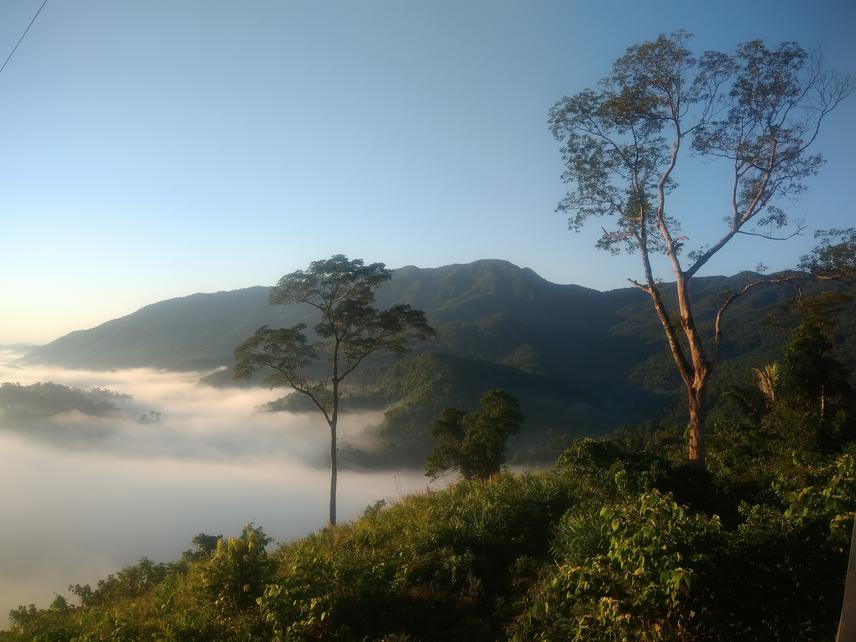
Across the globe in Southeast Asia, another extraordinary forest ecosystem lies within the Annamite Mountain Range in central Vietnam. Dense evergreen forests stretch across the borderlands of Vietnam and Laos, sheltering an abundance of rare wildlife and plant species. Two protected areas — Sao La Nature Reserve and Phong Dien Nature Reserve — play a critical role in safeguarding these important forest habitats.
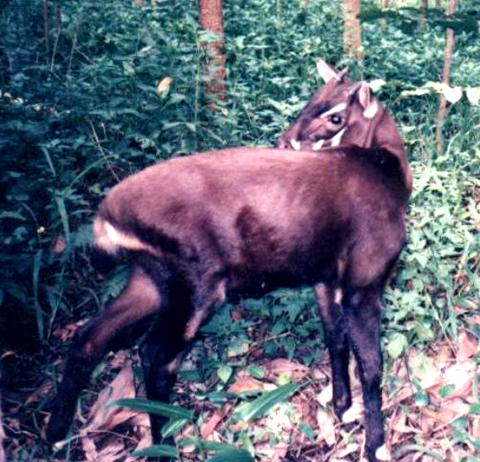
The Sao La Nature Reserve in Huế spans more than 19,000 hectares of lush forest in the northern Annamite Range. These mountains are the only known home to the saola, one of the world’s rarest endangered mammals, often referred to as the “Asian unicorn”. Resembling an African antelope, the saola is so elusive that scientists still do not know how many remain in the wild. The species has never survived in captivity, and no individuals exist in zoos, making conservation of its natural habitat the only path to its survival. In addition to this shy forest antelope, the reserve is home to more than 1,200 plant and animal species, many of which are listed in the IUCN Red List of Threatened Species, reflecting the incredible ecological importance of the region.
Further north, the Phong Dien Nature Reserve protects a tropical and subtropical forest landscape more than twice the size of the Sao La. Together, these two reserves create a continuous corridor of critical habitat for protecting biodiversity across central Vietnam.
Despite their protected status, these forests face persistent pressure from illegal hunting, wildlife trade, and logging. WildAid supports efforts to improve community monitoring and deter violations of biodiversity protection laws.
As part of a broader, ongoing partnership, in 2024, WildAid collaborated with Huế Province’s Forest Protection Department (FPD) to support community-led conservation efforts in the buffer zones surrounding both reserves — the areas where human settlements meet forest boundaries. Through a series of community meetings and events, WildAid helped establish local conservation groups to promote forest and wildlife protection and encourage hunters to surrender illegal guns and wildlife traps and pledge not to use them again.
Approximately 490 residents from mountainous communes, who live closest to the nature reserves, participated in the meetings led by local leaders and forest rangers. Attendees included representatives of community conservation groups, women’s unions, youth unions, and farmers’ associations in the plains regions — areas where trading and consumption of wildlife are prevalent.
The discussions emphasized wildlife protection laws and focused on the identification of rare and endangered species. Participants shared their experiences, discussed challenges, and explored possible solutions for reducing illegal activities within their communities.
Early outcomes from the meetings show encouraging signs of shifting attitudes. Several participants surrendered endangered wildlife species they had captured, turned in hunting equipment, and pledged not to use them again in the future. Three residents, who had earlier surrendered one pangolin and two turtles, shared their experiences with the community, encouraging others to cease hunting, trading, keeping, transporting, or using wildlife.
By partnering with local communities and strengthening awareness of conservation laws, WildAid is helping build a foundation for long-term protection of these remarkable forests and the species that depend on them.
Mangroves in Coastal Ecuador
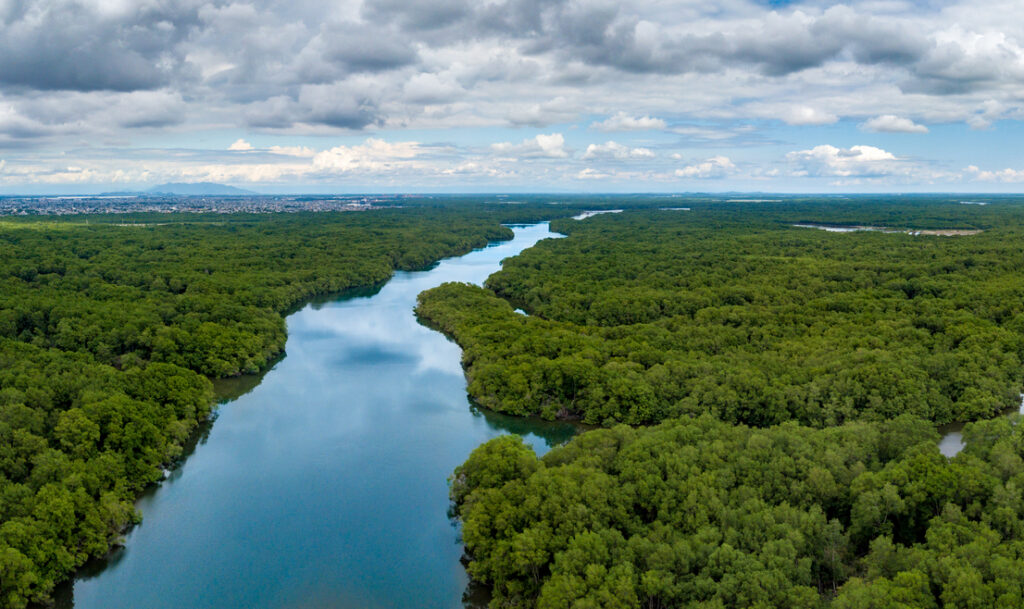
Across the Pacific in South America, a vast mangrove forest stretches along the coast of Ecuador, rooted in waterways between land and sea. These tangled, tropical trees provide critical habitat for 341 threatened species and support roughly one-third of all marine life. Their intricate root systems serve as nurseries and feeding grounds for sharks, rays, dolphins, sea turtles, birds, and more.
Mangroves also play an important role in stabilizing the planet’s climate. They absorb 400% more carbon than rainforests on land and store more carbon per acre than any other habitat on Earth. At the same time, these forests prevent coastal erosion, filter land-based pollution, and provide a buffer against storm surges.
Yet Ecuador’s coastal mangroves are under threat. Illegal fishing, logging, and large-scale shrimp farming are devastating this important ecosystem and the species that live there.
Compounding these challenges, drug traffickers also increasingly use the mangrove channels to transport their product undetected from Colombia and Peru through to the ports of Ecuador. This puts the coastline’s roughly 87,000 artisanal fishers and their families at risk. Many depend on fish and crab species for their food and livelihoods but face dangers navigating the channels from traffickers who extort a “protection tax,” threaten them at gunpoint, and steal the motors from their boats.
Despite these risks, an expanding network of local fishers and coastal communities have bravely committed to protecting the mangrove forests and the species they sustain. WildAid is honored to support and strengthen their efforts.
Working alongside local partners, WildAid helped broker a partnership between government agencies and local fishers so that the National Navy, the Ministry of the Environment, and the Ministry of Fisheries will respond to their calls to apprehend traffickers, illegal fishers, and loggers operating in the mangrove channels. WildAid has also strengthened patrol capacity by donating four boats and facilitating drone surveillance training for park rangers in Guayas Province, enabling them to monitor illegal activities more effectively.
Through equipment donation and enforcement support, WildAid helps local guardians prevent illegal activities while strengthening sustainable livelihoods tied to healthy mangroves.
For Roddy Macias, WildAid’s Coastal Ecuador Project Manager, the stakes are personal:
“Every time we go out to the mangroves, we know it is a risk. But we are more afraid that the mangroves will disappear and with them the incredible biodiversity.”
Shared efforts from local communities and WildAid are beginning to pay off, and momentum is growing. In 2024, fishers reported a decline in illegal activities in the mangroves. In addition, one project area in Guayas Province has experienced almost no deforestation over the past 20 years, even as many regions in Ecuador have lost 10-14% of their tree cover during the same period.
This progress aligns with a larger national milestone. Ecuador recently achieved sustainable management of 100,000 hectares of its mangroves — nearly two-thirds of the nation’s total — helping to protect fisheries, strengthen climate resilience, and empower traditional users. It’s a powerful example of what’s possible when conservation is locally led, and stories like this are unfolding across the globe.
As we celebrate the International Day of Forests, we’re reminded of what’s at stake. From biodiversity and climate regulation to the livelihoods of communities around the world, forests are essential to life on Earth — and protecting them is more important than ever.
Stay in touch and get the latest WildAid updates.
SIGN UP