


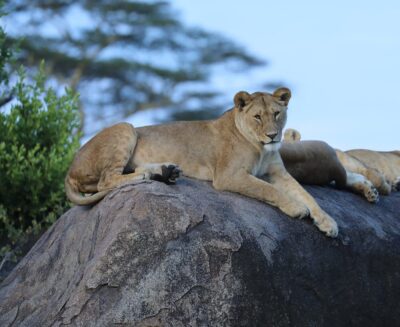
Africa’s most iconic animal is facing an existential crisis. Lion populations across the continent have fallen alarmingly, by an astounding 90% in just half a century — from 200,000 in the mid-70s to around 20,000 now, or even fewer. North Africa’s Barbary lions went extinct in the late 1950s, and populations across West and Central Africa are scattered, isolated, and often scarcely viable.
Their former territories have simply vanished under the pressure of urban and agricultural expansion, their former ranges fenced off. Forced to live alongside humans, lions end up preying on livestock — and often get speared or poisoned as a result. Unregulated trophy hunting hasn’t helped, removing some of the strongest males from the already struggling prides.
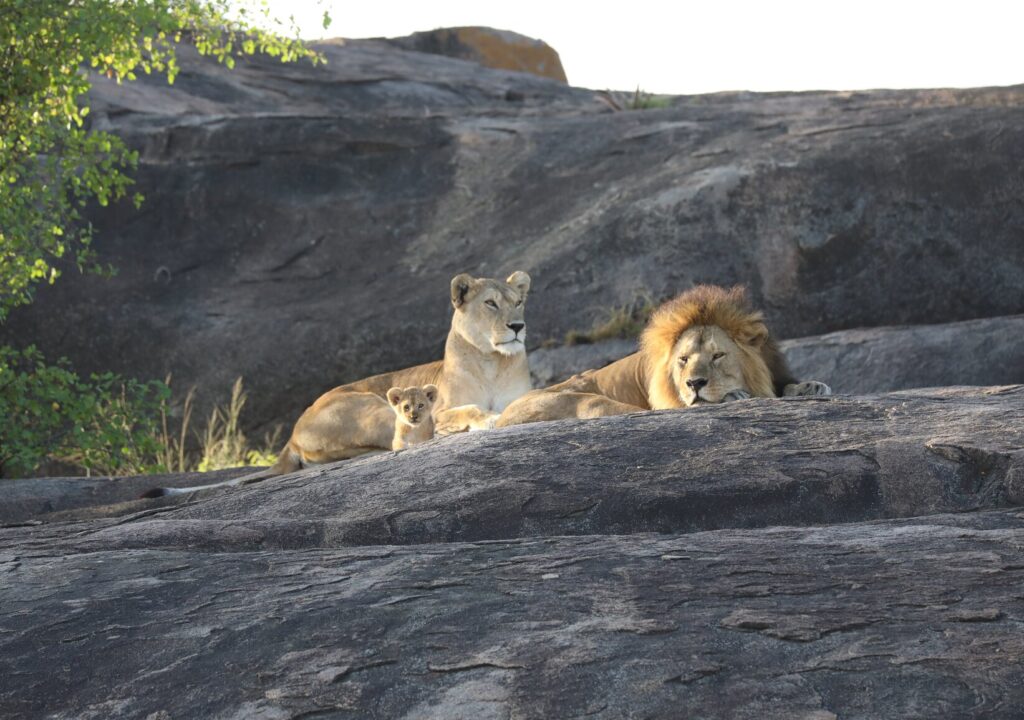
The last stronghold of the king of beasts is Eastern and Southern Africa, and in particular Tanzania. This East African country is home to the world’s largest remaining wild lion population, estimated at around 8,000 animals. It is no understatement to say that Tanzania is the key battleground for the species’ future.
But even in Tanzania the pressures on lions are intense. And today they come from a previously underestimated and poorly understood source — the consumption of wild meat by city dwellers. It is a fast-expanding, illegal commercial trade that has two catastrophic impacts on the lions that survive today.
Wire in the Grass: the Hidden Danger to Lions
It is not that people eat lions — but they do eat lions’ prey, in huge quantities. WildAid estimates that adults in Tanzania’s urban areas could be eating around 35 million servings every year — eating all kinds of antelope, as well as birds, buffalo, wild hares, and wild pigs, among many other species. It is a trade driven by taste, nostalgia, and cultural tradition, but it is one that directly reduces the prey base lions depend on for survival. When the prey base goes down, the land simply can’t sustain as many lions. And a declining prey base also forces lions to hunt livestock, and into even more intense conflict with people.
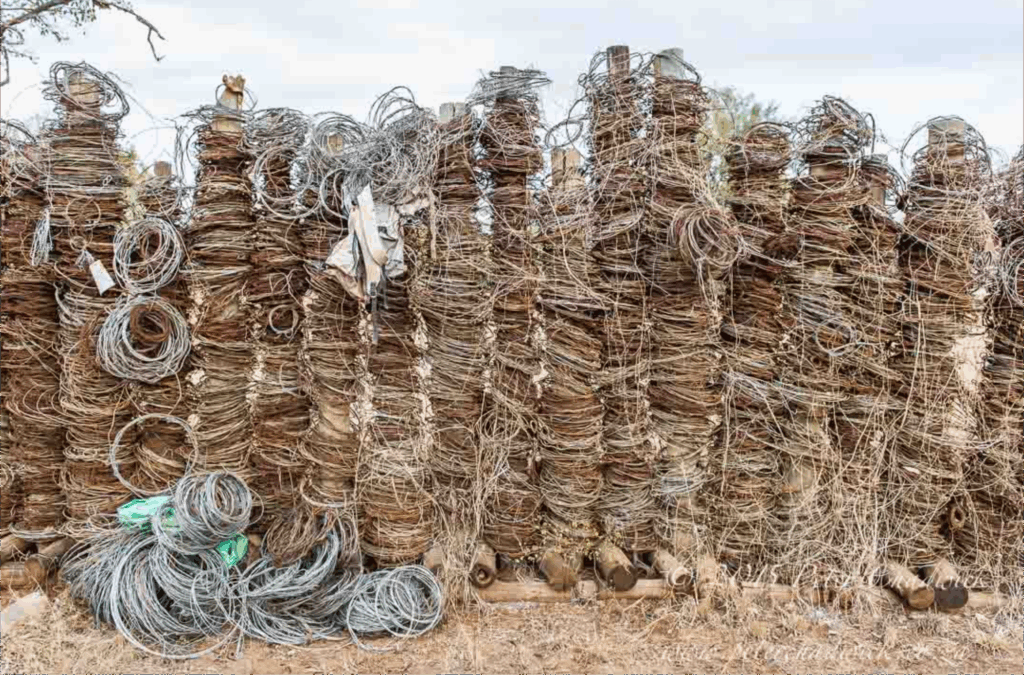
But the other impact is perhaps even more cruel. To meet the high demand for wild meat, hunters lay wire snares where wildlife congregate near watering holes. These snares are simple to make and made of cheap or repurposed metal, making them an efficient means of income generation for hunters selling meat in the illegal trade. The problem is that these snares catch lions too, causing a slow and painful death, or severe injury that renders them unable to hunt.
This trend not only threatens lions, but also carries cultural and economic implications. Lions are woven into Tanzania’s identity and attract visitors whose tourism dollars sustain communities. Protecting them protects livelihoods and heritage. Tanzania has the opportunity to safeguard that future, and momentum is already building for change.
Reducing Wild Meat Demand
WildAid is currently preparing to launch a new, evidence-based Urban Bushmeat Demand Reduction Campaign in Tanzania to raise awareness, shift consumer behavior, and reduce the setting of snares that endanger lions.
We’re not starting from scratch. This initiative builds on a decade of successful conservation messaging in the country. Since 2015, WildAid has partnered with Tanzanian leaders, broadcasters, and communities to run campaigns aimed at reducing ivory poaching and strengthening national pride in lions. Between 2019 and 2022, our lion-focused outreach included television and radio public service announcements, billboard messaging, educational content, and the production of a short documentary. These efforts reached millions — Tanzania: Land of the Lion alone has aired more than 30 times on ITV Tanzania — shaping public attitudes and reinforcing the importance of protecting these beloved animals. More recently, WildAid kicked off a communications and awareness campaign in Dar es Salaam with a simple message: conservation is for everybody.
“We think we have the tools to reduce demand just as we’ve done with pangolins and elephant ivory in other parts of the world,” said Simon Denyer, Africa Program Manager at WildAid. “It’s just a matter of making the connection that wild meat consumption is harming lions.”
WildAid’s model doesn’t rely on enforcement alone — it harnesses data, public awareness, social norms, and influential voices to shift perceptions. Tanzanians already deeply value wildlife, which is seen not merely as scenery, but as legacy. This legacy includes pride in lions, a revered animal in Tanzanian culture. This provides a natural entrypoint for messaging rooted in national identity and heritage. When people understand that their dinner choice harms wildlife they value, behavior begins to change.
WildAid is collaborating closely with government agencies, conservation authorities, and other stakeholders to design the campaign.
What the Data Reveals
To ground the campaign in evidence rather than assumptions, WildAid conducted the first-ever nationwide survey of urban wild meat consumers in Tanzania.
The survey involved interviews with 1,500 people that reflect a representative demographic sample of urban Tanzanians. Respondents came from Dar es Salaam (25%), as well as seven of the other biggest cities across Tanzania (equally split between Mwanza, Arusha, Mbeya, Morogoro, Dodoma, Tanga, and Songea). The goal of the survey was to understand who consumes wild meat, why they choose to consume it, and what species they consume and prefer.
One of the key findings was that 22% of respondents said they’d eaten wild meat in the past year.
Additional highlights:
- 51% of respondents said they eat or had eaten wild meat.
- Men are far more likely to consume wild meat than women (28% vs 14% eat at least once a year).
- The highest consumption rates came among 25-34 year-olds and 35-44 year-olds.
- Dodoma, Arusha, Dar es Salaam, and Mwanza saw the highest consumption rates (34%, 29%, 24%, 22% once a year or more, respectively).
- The most frequently eaten types of bushmeat in the past year were: birds/quail (44%), small antelope (41%), large antelope (32%), buffalo (29%), wild hare (22%), wild pig (21%).
These numbers paint a clear picture: wild meat consumption is normalized, but its consequences have not necessarily been deeply examined.
Based on these findings, the demand reduction campaign will raise awareness of the impacts and encourage city-dwellers who have access to alternative sources of protein to reduce or stop their consumption of wild meat. The campaign will feature messages from influential Tanzanians and our approach will draw on lessons from our campaign to reduce urban demand for pangolin meat in Cameroon, which has shown measurable impact after two years.
A Future We Can Protect Together
If we can curb urban demand for wild meat and reduce the number of snares laid across the savannah, lions in Tanzania can thrive for generations to come.
This change won’t happen on its own, but it is possible if we work together.
Our research shows that when people learn how their consumption affects wildlife, they support change. WildAid’s campaign is designed to bridge that gap — connecting everyday decisions to their ecological impacts, and offering a different story: that choosing alternative protein sources, speaking up about conservation, and buying less wild meat are acts of stewardship and national pride.
This is where supporters like you come in.
Behavior change campaigns require time, creativity, and local partnership. Funding allows us to produce Tanzanian-led content, elevate influential voices, reach audiences across major cities, and track real shifts in attitudes and demand. Everything we do is backed up by evidence.
This giving season, your impact goes even further. Every donation is matched, going even further to protect Tanzania’s lions.
Donate today to help preserve the world’s largest remaining lion population.
Every dollar you give by December 31, 2025 will be matched!
Stay in touch and get the latest WildAid updates.
SIGN UP