


Signs of climate change are all around us, impacting the conditions both humans and wildlife depend on for survival, and affecting our everyday lives.
With natural disasters, shifting seasons, and warming ocean temperatures increasingly affecting human and wildlife health, it’s easy to feel overwhelmed. But we are not powerless, and there is a lot we can do to help build climate resilience. Individual actions, especially when adopted collectively, can lessen our environmental footprint and help people and wildlife adapt.
A changing climate presents growing challenges
Across the U.S. and the world, climate change is intensifying extreme heat, drought, and weather events that come with heavier rainfall.
Between 2016 and 2025, wildfires burned an average of 7.1 million acres per year in the U.S., compared to 2 to 3 million in the 1980s. The Southwest recently experienced its driest 22-year period in 1,200 years, and in 2026, 44% of the U.S. is in a drought.
But when rain does come, it poses another threat. 90% of presidentially declared U.S. natural disasters involve flooding as heavy precipitation events increase in frequency and intensity.
These changes don’t only affect people. Wildlife is also experiencing a rapidly changing world — one in which familiar sources of food and water can suddenly disappear, temperatures can become deadly, and seasonal patterns can shift, leaving breeding and migrating wildlife out of step with the availability of food.
Between 2018 and 2019, in the eastern Bering Sea, roughly 90% of snow crabs disappeared after a heatwave nearly doubled their caloric needs and they starved.
Inland, the Great Salt Lake hit a record low level in November 2022, putting at risk a vital stopover for up to 12 million migrating birds representing 339 species that depend on the lake’s brine shrimp and brine flies as an important food source.
Climate change is also shifting seasonal patterns. Earlier springs can cause migration and breeding schedules to fall out of sync with the peak availability of food, putting their survival at risk.
As the threats evolve, so must our approach
WildAid has spent more than two decades as a leader in changing human behavior to reduce threats to wildlife and habitats. As those threats evolve, we adapt our strategies, partnerships, and solutions to tackle them. To address the growing impacts of climate change we expanded our behavior-change approach to address the individual actions that contribute to climate change and, in turn, put additional pressure on wildlife and ecosystems. By encouraging more sustainable choices around consumption and everyday behaviors, we can reduce human-driven pressures on nature and give species and ecosystems a better chance to withstand a changing climate.
Actions you can take to help wildlife adapt to a changing climate
Climate change is a global challenge, but there are meaningful ways you can help wildlife build resilience right where you live. Everyday choices can help wildlife adapt to changing conditions and recover more quickly from climate-related disruptions.
Here are five steps you can take:
1. Create a refuge in your yard
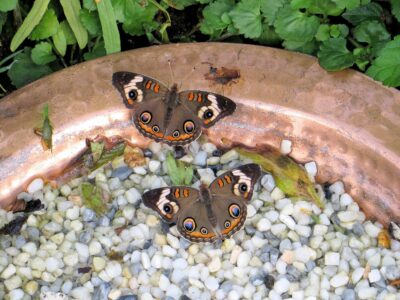
Providing water and shade can help wildlife stay cool during extreme heat. Set out a shallow bird bath in a shaded spot with a few stones in it that give small birds and bees secure footing. During heat waves and drought, consider adding a ground-level dish for wildlife that can’t reach a raised bath.
Year-round, plant native species that attract and support local wildlife. During fall and winter, leave fallen leaves on the ground. They’re good for soil health and provide food and shelter for turtles, toads, butterflies, birds, and more!
2. Reduce risks around your home
Small changes around your home can reduce threats to wildlife. Keep cats indoors or in a catio, use decals, screens, or film to make windows visible to birds, and turn off unnecessary lights during peak migration nights. Avoid rat poison and broad-spectrum pesticides, which can harm wildlife directly and add another source of stress to species already coping with changing conditions.
3. Give wildlife space during extreme weather
Wildlife may move into neighborhoods when drought, heat, fire, floods, or storms disrupt their normal habitat. Give displaced animals space to move and find shelter rather than chasing, feeding, or crowding them.
If an animal appears injured, contact a licensed wildlife rehabilitator or your state wildlife agency rather than attempting a rescue yourself.
4. Help coastal wildlife thrive
During turtle nesting season, leave the beach flat and dark; fill in holes on the beach, remove beach furniture before sunset, and keep beachfront lights off so hatching sea turtles head for the sea, not the parking lot.
Another simple step you can take is never releasing balloons, which can become dangerous marine debris. Celebrate with bubbles or paper banners instead.
5. Protect wildlife in your community
Individual actions matter, but protecting wildlife also requires community-wide solutions. As climate conditions change, animals may travel farther in search of food, water, and suitable habitat. Support wildlife crossings over major roadways that help animals move between habitats and find the resources they need. Encourage Lights Out practices in your community to reduce collisions with buildings and glass during bird migration. Speak up for projects and policies in your city and state that protect and connect the habitats wildlife needs to adapt to a changing climate.
Every effort makes a difference. By being proactive and advocating for community-wide solutions, you can help build a more resilient future for wildlife and people.
Stay in touch and get the latest WildAid updates.
SIGN UP