


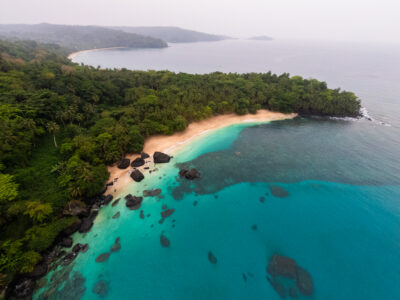
There’s something extraordinary about the waters surrounding the tiny island nation of São Tomé and Principe (STP).
Located in the Gulf of Guinea and known as the “Galápagos of Africa,” the archipelago is home to an incredible number of species found nowhere else on Earth — a phenomenon known as endemism. The island of Principe is also designated as a UNESCO Biosphere Reserve.
STP supports some of the richest marine biodiversity on Earth. Its marine ecosystems encompass everything from mangroves and coral reefs to habitats supporting endemic species of fish, including sea bass, electric rays, and cardinalfish that only exist in STP. More than 37 threatened or endangered species depend on STP’s waters, including whale sharks, scalloped hammerhead sharks, and groupers.
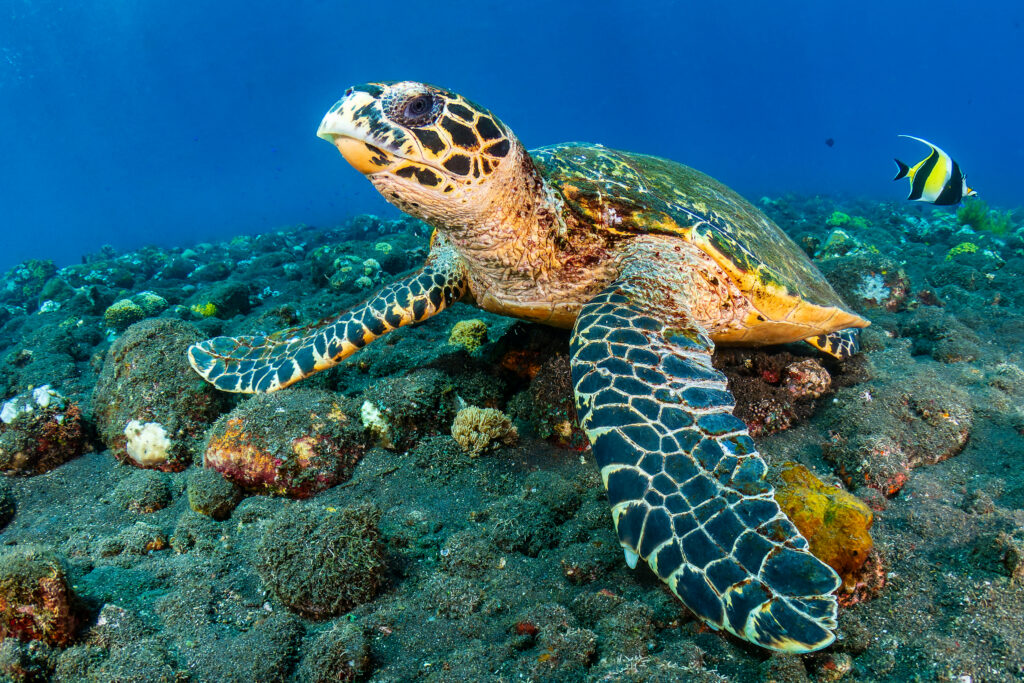
STP is home to one of the Eastern Atlantic’s last significant hawksbill turtle nesting populations, making its beaches especially important for the survival of this critically endangered species.
But this marine haven faces growing threats, and WildAid is working alongside local partners to turn conservation plans into real protections on the water.
Threats and challenges
A range of pressures, including overfishing, habitat loss, industrial fishing, climate change, and pollution, are putting STP’s marine wildlife at risk. Particularly problematic is the damage to coral reefs caused by semi-industrial vessels using bottom-contact fishing gear, as well as pressures from tourism and subsistence fishing.
For the people of STP, the ocean is a lifeline. Fish provides around 85% of the animal protein the nation consumes, and fishing is the lifeblood of its coastal communities. But declining fish stocks are putting both marine biodiversity and local livelihoods at risk.
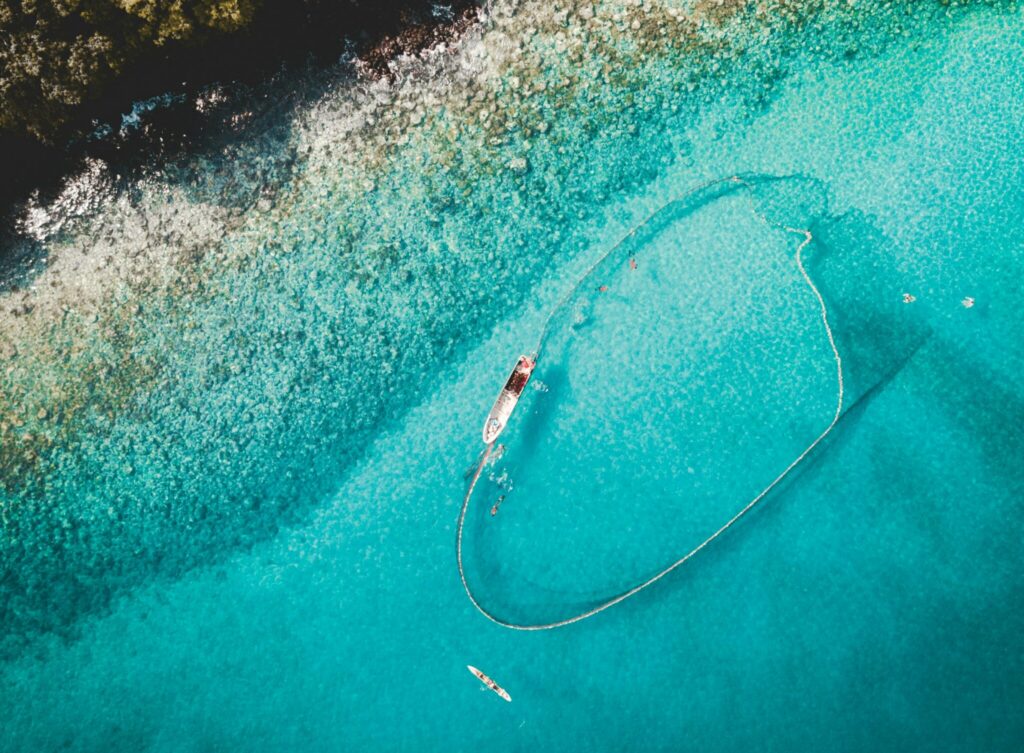
When WildAid began working with STP in 2022, illegal and destructive fishing was on the rise. Weighted purse seine nets, which are large walls of netting released around an entire area or school of fish, were banned near shore back in 2012 but routinely used anyway, dragging across the seafloor and smashing coral reefs. Enforcement agencies worked with scarce boats, outdated laws, and little coordination.
Building the foundation for protection
Working alongside conservation partners Fauna & Flora International, Oikos, and MARAPA, as well as local government agencies, WildAid helped turn STP’s conservation ambitions into a coordinated strategy for protecting its waters.
When we began, the nation had no marine protected areas. Today, we’ve helped establish two on São Tomé, and six more for Principe. Together with our partners, we also finalized the country’s first Marine Protection System Plan — a practical five-year roadmap to protect the network of eight marine protected areas.
But protecting these waters requires more than designating areas on a map. Drawing on MARAPA’s deep local knowledge and WildAid’s technical expertise, we also helped develop the nation’s first fisheries surveillance plan, clarifying which agencies patrol, inspect, and prosecute illegal fishing.
By strengthening coordination and building relationships at multiple levels of government, this collaboration is also helping ensure conservation progress can endure through changes in political leadership.
“When you’re working not only at the highest levels, but at the mid and field level, your work isn’t lost every time there’s a new election cycle,” explains WildAid’s CEO Meaghan Brosnan. “You have the core people that can demonstrate momentum and that can make it easier for a new political figure to say ‘yes, let’s keep going.’”
At the same time, we helped strengthen the rules themselves. A newly published fisheries regulation — the first in a sweeping update of the nation’s fishing laws — now requires fishers to obtain permits, giving the country its first real handle on fishing pressure. It also bans destructive practices such as divers using compressed-air tanks to drive fish into the very nets that tear across coral reefs. More reforms are on the way.
Putting the plan into action
The impact of these efforts is already visible. STP’s government and fishing communities are curbing illegal fishing and coral reef destruction — enacting new laws and enforcing them on the water by banning destructive practices, inspecting boats weekly, and, soon, implementing licences for fishers. From July to August this year, authorities conducted 139 boat inspections.
The progress is historic. A nation that had never protected any stretch of its ocean now has eight marine protected areas established by law, new fishing regulations, and patrol boats enforcing protections.
It’s proof that when governments, communities, and conservation partners come together, even the smallest nations can deliver protection that matters to the whole planet.
You can help drive lasting change
This Giving Season, support our work to establish lasting protection for vulnerable marine ecosystems around the world.
Stay in touch and get the latest WildAid updates.
SIGN UP