


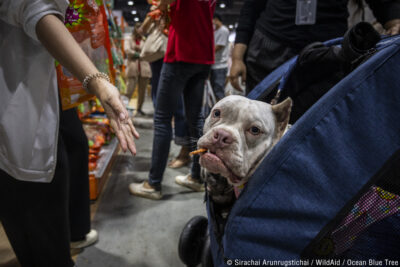
Many pet owners purchase shark-based treats believing they are a healthy choice for their dogs and cats. However, a new comprehensive report from WildAid and Ocean Blue Tree reveals that these products may pose risks not only to vulnerable shark populations, but also to pets themselves.
The report, Shark-Based Pet Treats in Thailand: A Hidden Threat to Sharks and Your Pet, is the first of its kind in the country, combining DNA barcoding, toxicological and essential element analysis, online market research, consumer and vendor surveys, and recommendations to government regulators and industry stakeholders. The report is based on the research findings published in the peer-reviewed journal Biological Conservation (Klangnurak, Arunrugstichai, and Manopawitr, 2026).
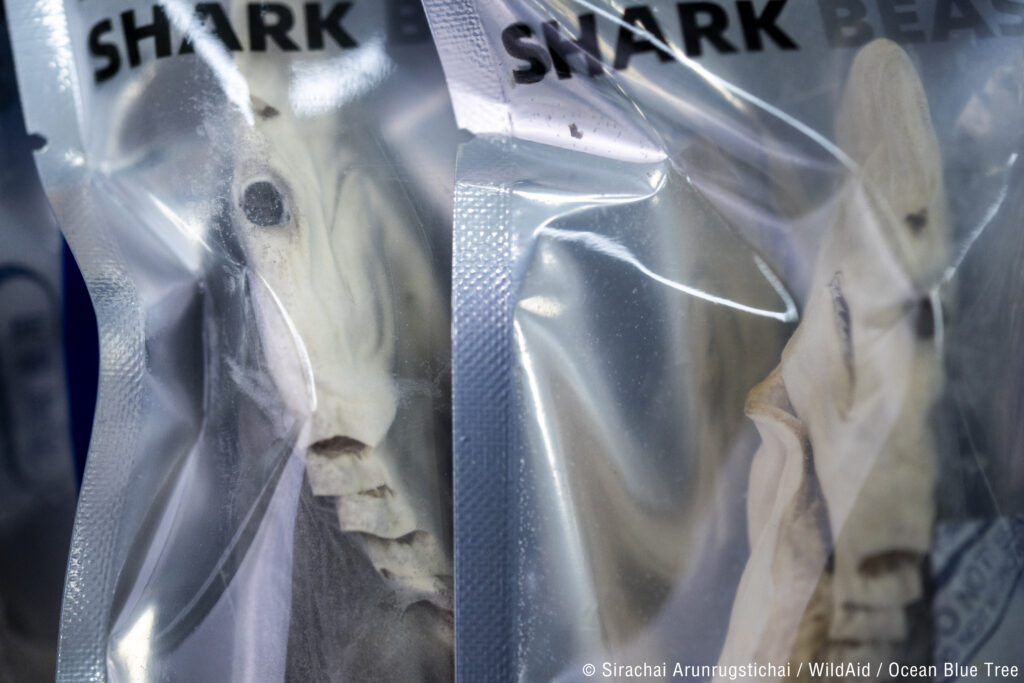
Shark-based pet snacks — including dried shark cartilage and whole dried sharks marketed as dental chews — have emerged as a growing and poorly regulated segment of Thailand’s booming pet industry.
Between 2023 and 2025, WildAid and researchers from the King Mongkut’s Institute of Technology Ladkrabang (KMITL) monitored five major Thai e-commerce platforms — Facebook, Lazada, LINE Shop, Shopee, and TikTok Shop — and identified more than 140 online vendors offering over 10 types of shark-derived treats for dogs and cats. These products, clearly branded as ‘sharks’ and marketed as ‘premium’, are often promoted for their purported high nutritional content, particularly the presence of protein, calcium, and other nutrients believed to support bone, teeth, and joint health in pets.
Using DNA barcoding, KMITL researchers analyzed 150 shark cartilage samples and 60 whole dried shark samples collected from 27 out of 123 online marketplaces and physical retail stores in May 2024. 91% of cartilage samples were identified at the species level, revealing eight distinct shark species. The two most prevalent were the brownbanded bamboo shark (Chiloscyllium punctatum) and the Australian blackspot shark (Carcharhinus coatesi), each accounting for 31.6% of identifiable samples, followed by the spottail shark (Carcharhinus sorrah) at 27.2%. Of the eight identified species, five are classified as Vulnerable under Thailand’s Red Data list. A majority (67.7%) of the products were derived from species listed under CITES Appendix II — meaning international trade in these products is subject to regulatory controls and requires export permits.
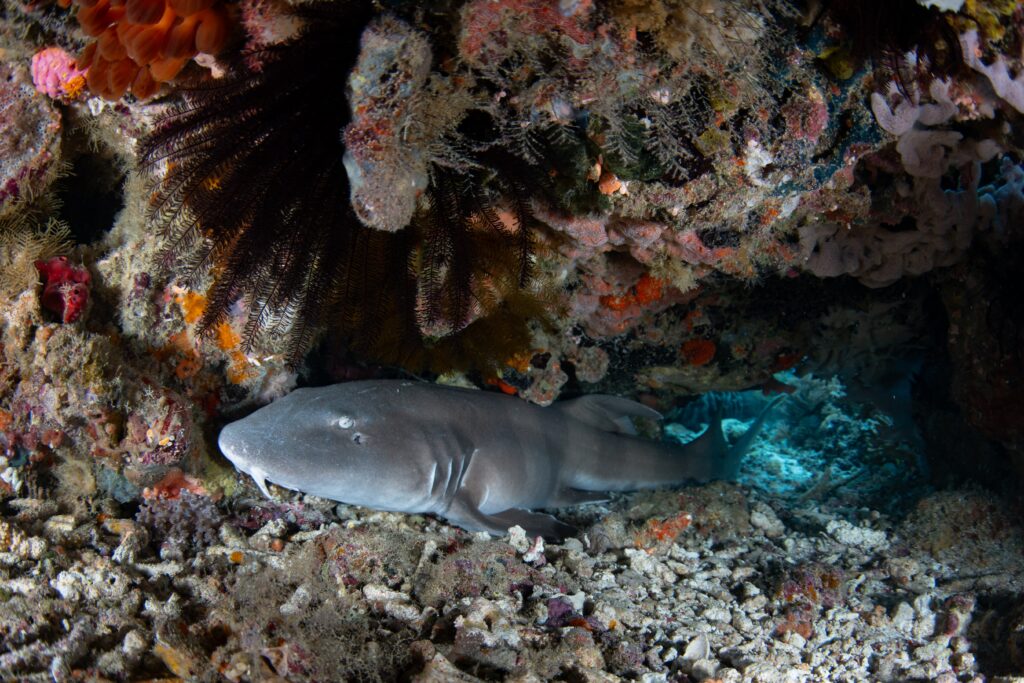
All 60 whole dried shark samples were identified as a single species: the Pacific spadenose shark (Scoliodon macrorhynchos), which is listed as Near Threatened on the IUCN Red List, Vulnerable under Thailand Red Data, and regulated under CITES Appendix II. Despite these conservation implications, not a single examined product carried species-specific labeling. The widespread absence of species-specific labeling raises concerns about transparency, traceability, and sustainability, as consumers are left unaware of the species used in these products.
Beyond conservation concerns, the study found significant toxicological risks. Testing of 50 shark cartilage and 12 whole dried shark samples revealed that arsenic and mercury were detected in 100% of whole dried shark samples, with arsenic concentrations exceeding the United States Food and Drug Administration’s Maximum Tolerable Level (MTL) in 50% of cases. Cadmium was detected in 41.7% of whole dried shark samples, though at concentrations below safety thresholds.
Researchers also assessed calcium and sodium levels. Calcium concentrations in shark cartilage surpassed the maximum nutritional limit for dry dog food. While short-term intake is not immediately harmful, it provides no added health benefits and prolonged excessive intake can lead to issues like hypercalcemia and formation of kidney or bladder stones. More concerning, sodium levels were approximately four times higher than the recommended level for both dry dog and cat food, which may lead to long-term health issues, particularly those with pre-existing conditions such as kidney disease, hypertension, or cardiac disorders, if consumed regularly.
A survey of pet owners, conducted in collaboration with Thailand’s Suan Dusit Poll, Suan Dusit University, provided insights into purchasing trends of shark-based pet products. Of the 419 survey respondents, 80% had heard of dental treats with shark-derived ingredients, and 71% expressed interest in purchasing them. The primary motivations for purchase were perceived beneficial nutrients (67%), recommendations from others including veterinarians (48%), and as an expression of love and care for pets (38%). Veterinarians and pet care professionals were the most trusted sources of pet nutrition information (66%). This new segment of demand increases pressure on already vulnerable shark populations and risks undermining ongoing conservation efforts to reduce shark exploitation.
Despite these motivations to purchase products containing sharks, the survey also identified clear opportunities for behavior change. Consumers indicated that potential adverse health effects (86.5%), harmful chemicals or contaminants (66%), and lack of clear benefits (60%) could deter them from buying shark-based products. Furthermore, 82% agreed that sharks play a crucial role in marine ecosystems, and 75% agreed that using sharks in pet food increases commercialization and exploitation threatening shark populations.
Vendors are similarly poorly informed. A structured survey of 50 pet store owners across Greater Bangkok and upcountry provinces found that 90% first learned about these products through sales representatives. Half of vendors were unsure of the origins of the sharks used, and 38% believed the parts were leftovers from shark fin production. Half of vendors had never heard of CITES while only 10% demonstrated any understanding of its implications for the products they were selling.
WildAid and Ocean Blue Tree have launched the ‘#TreatOrThreat’ public awareness campaign to inform Thai pet owners and vendors of the risks associated with shark-based pet treats and will continue to raise awareness of the impacts of consuming sharks, work to drive behavioral change, and collaborate with Thai authorities to strengthen shark conservation and supply chain oversight.
The detection of CITES-listed shark species in cartilages and whole dried shark products highlights the need to strengthen traceability of sharks used in the pet food supply chain. The report also calls on policy makers, e-commerce platforms, the veterinary sector, the pet industry, and consumers to recognize the conservation and sustainability implications of these products and to take collective action to support the recovery of shark populations worldwide.
Stay in touch and get the latest WildAid updates.
SIGN UP