


Twenty years ago, WildAid made a wager. Most of the work being done in conservation involved building fences and chasing poachers after the damage was already done. We asked if we could reach people first and change the choices that put wildlife at risk.
Every threat to wildlife begins with a human decision, such as buying an ivory carving or ordering a bowl of shark fin soup. That demand creates the market for wildlife products. As we have said from the start, when the buying stops, the killing can too.
WildAid works in two ways: our media campaigns change what people want, and our marine team helps governments and coastal communities protect the ocean. These are the milestones from both.
Changing what people want
Our campaigns use advertising, storytelling, and trusted messengers, the same tools that major brands use.
2006 to present: Shark fin soup
When our campaign began, three in four people in China did not know that shark fin soup came from sharks. Within three years, awareness of shark finning rose from under 30% to more than 80%. By 2013, China had banned the dish from official banquets, and consumption in China is now down by roughly 80%. In Thailand, our campaigns keep more than 8 million bowls of shark fin soup off the table every year.

2010s: Ivory
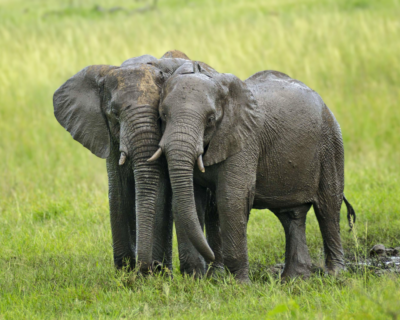
In 2012, the ivory trade was killing 20,000 elephants every year. Backed by $175 million in donated media placements, WildAid placed ads with trusted public figures on billboards, in subways, and in airports across China. Each ad carried the same message about the cost of ivory to elephants. Within two years, 90% of the people who saw the ads said they would not buy ivory, and within four years, ivory smuggling had dropped by 80%. In the fifth year, China closed every ivory carving factory and banned its domestic ivory trade. The ban closed the largest ivory market on Earth.
2013 to 2016: Manta rays
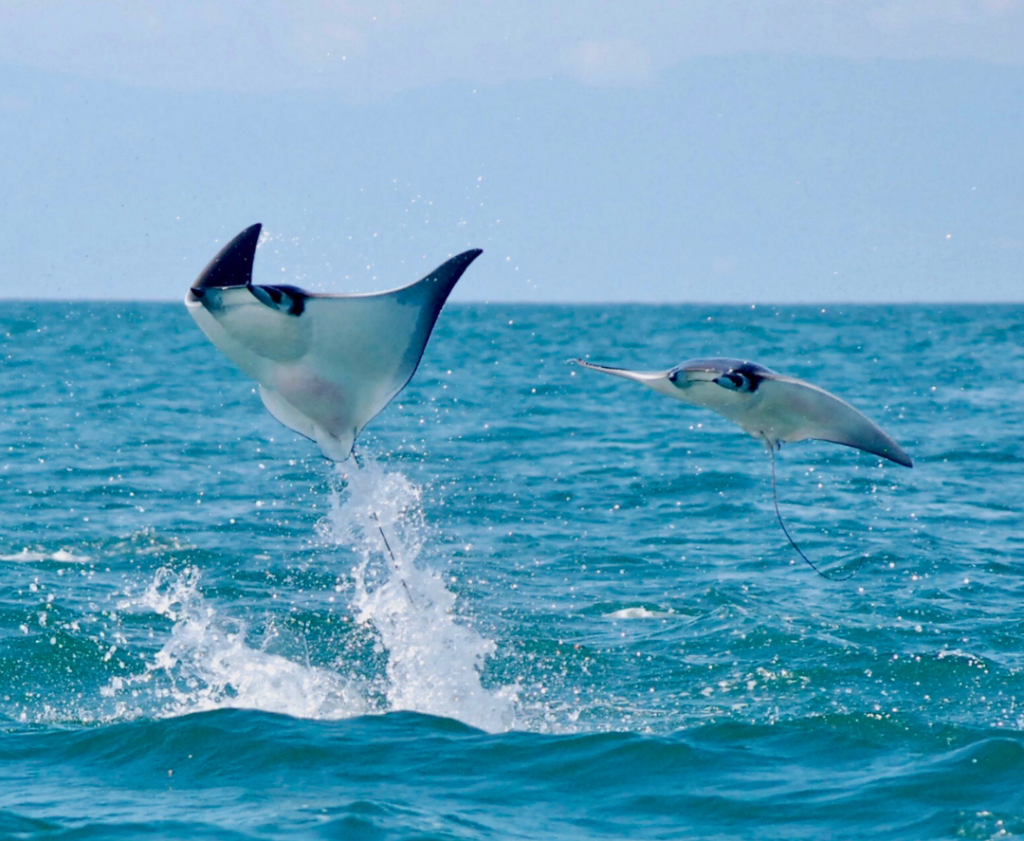
Peng yu sai, the dried gill plate of manta and mobula rays, is sold as a health tonic. WildAid set out to end the demand for it. In Guangzhou, the southern Chinese city at the center of the trade, 79% of residents saw our public service announcements and billboards. By 2016, two-thirds of surveyed consumers had stopped buying gill plates or cut back. Gill plate stocks in Guangzhou dropped by 63% in two years.
2015 to present: The climate
Since 2015, our climate campaigns in China, fronted by ambassador Wang Yibo, have promoted sustainable everyday choices. So far, 30 million people have made more sustainable dietary choices, and 72 million have reduced their dependence on single-use plastics.
2016 to present: Pangolins
Pangolins are the most trafficked wild mammals on Earth. Demand for pangolin products in China has fallen by 70% since 2016, and illegal seizures have dropped from 44 tons a year to under 100 kilograms. Our documentary campaign with Wang Yibo, “Defenders of the Hidden,” has been seen more than a billion times. China’s government has placed much stricter controls on the medicinal use of pangolin scales, and hundreds of restaurants in Cameroon have pledged publicly to keep pangolin off the menu.
Ocean protection
Most people picture wildlife on land, yet 80% of all life on Earth lives in the ocean. Our marine team helps nations detect and stop illegal activity that harms wildlife in the water.
2004: The Galápagos
WildAid’s marine work began in the Galápagos, where shark finning was a widespread problem. With Ecuador’s Navy and park rangers, we built one of the world’s first fully integrated marine enforcement systems. Today, every vessel that enters the reserve is monitored, and prosecutions are up by 84%. Shark finning has all but disappeared, and the islands now hold the densest shark population on Earth.
2014: Palau
Palau planned an ocean refuge the size of a nation and asked WildAid to help enforce it. The work started with two reef areas in 2014 and grew to cover the national network. With The Nature Conservancy, we helped create Palau’s first conservation academy, which trains rangers to patrol, cite, and prosecute. Academy graduates now train the classes that follow them.
2019: The Blueprint for Marine Protection
Many countries were declaring marine protected areas, and WildAid took on the job of protecting them. We drew on 15 years at sea to create the Blueprint for Marine Protection™. It has five components: strong laws, trained people, watchful technology, sanctions that stick, and communities that believe. The model is used to assess any marine protected area and to build a plan that closes the gaps in its enforcement.
2020 to 2025: The Eastern Tropical Pacific
Ocean wildlife crosses borders while enforcement often doesn’t. At the invitation of Ecuador, Costa Rica, Panama, and Colombia, WildAid helped connect four separate systems into one regional network. The work strengthened and equipped 13 monitoring centers, and the more than 1,100 enforcement personnel started training together. The four nations now plan and run joint patrols themselves.
2023: The Earthshot Prize
In November 2023, Prince William and The Earthshot Prize named WildAid’s Marine Program the winner of the Revive Our Oceans category. The prize recognized our enforcement model as cost-effective, replicable, and built to scale.
2021 to 2026: Five years of growth
In five years, our marine partnerships grew from 20 marine areas in eight countries to more than 110 in 23 countries. This year alone, we trained 2,500 enforcement personnel, who help safeguard more than 2 million square kilometers of reefs, mangroves, and seagrass.
Conservation is a team sport
WildAid never works alone. In every country where we work, hundreds of partners carry out the mission. They include governments, coastal communities, media companies, and scientists. Donated media, worth more than $200 million a year, gives our campaigns a reach that no budget could buy. If you are reading this, you are on the team too.
Twenty years of progress is just the beginning. With your support, we can continue changing behaviors, protecting habitats, and building a better future for wildlife. Donate today.
Stay in touch and get the latest WildAid updates.
SIGN UP